
Nottingham’s winters bring a specific mix of hazards for newer drivers — river fog off the Trent, icy bridges and underpasses, and low winter sun on east-west routes. Here’s what’s worth knowing before your first winter behind the wheel.
Fog around the Trent
Riverside and low-lying routes near the Trent — around Wilford, Trent Bridge, and the Victoria Embankment area — are more prone to mist and fog than higher parts of the city, especially on still, cold mornings and evenings. If visibility drops, slow down, use dipped headlights (fog lights only if visibility is seriously reduced, and remember to turn them off once it clears), and increase your following distance well beyond the usual gap.
Ice on bridges and underpasses
Bridges and underpasses cool and ice up faster than the open road around them because they lose heat from both above and below — this applies to crossings like Trent Bridge and the various underpasses around the ring road and city centre. Even when the roads around them look fine, treat any bridge or underpass as a higher-risk spot on a frosty morning.
Low winter sun
Routes running broadly east-west — including stretches of the ring road — can put a low winter sun directly in your eyes at rush hour, particularly heading into or out of the city in the early morning and late afternoon. Keep a pair of sunglasses in the car, keep your windscreen clean (a dirty windscreen scatters low sun far worse than a clean one), and be ready to slow down and increase following distance if you’re briefly dazzled.
General winter driving basics
- Leave extra time — winter journeys in traffic take longer, and rushing is when mistakes happen.
- Check your tyre tread and screen wash before winter sets in, not after the first frost.
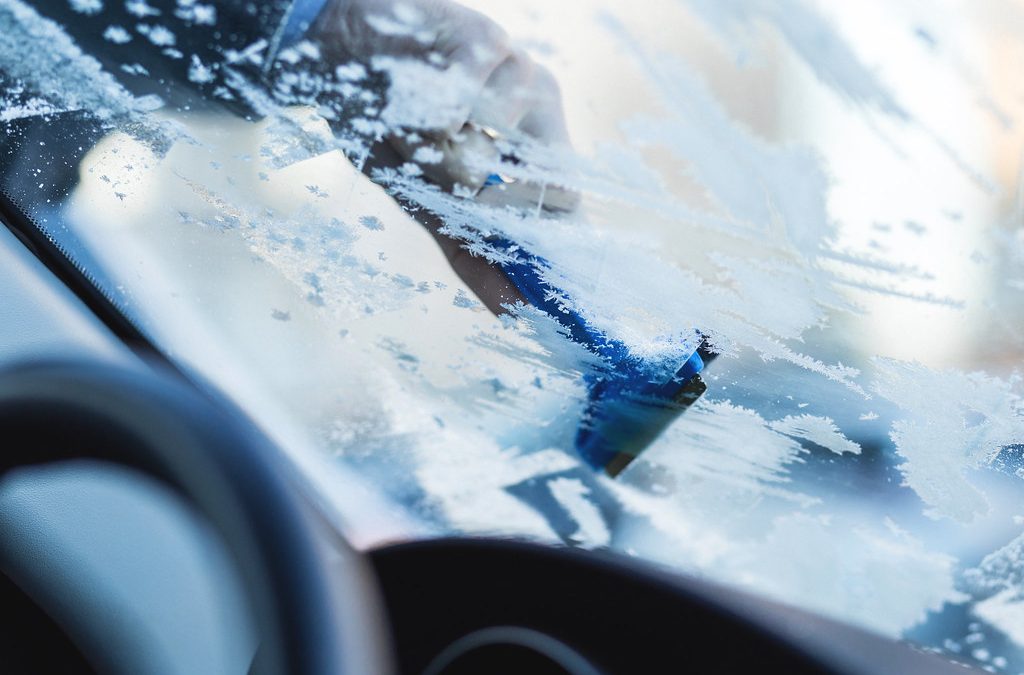
- If your car has one, use a heated rear window and mirror demist rather than driving with a half-scraped windscreen.
None of this needs to be intimidating — a good instructor will build winter-specific practice into your lessons if you’re learning through the colder months, so you’re genuinely prepared rather than facing these conditions for the first time alone.